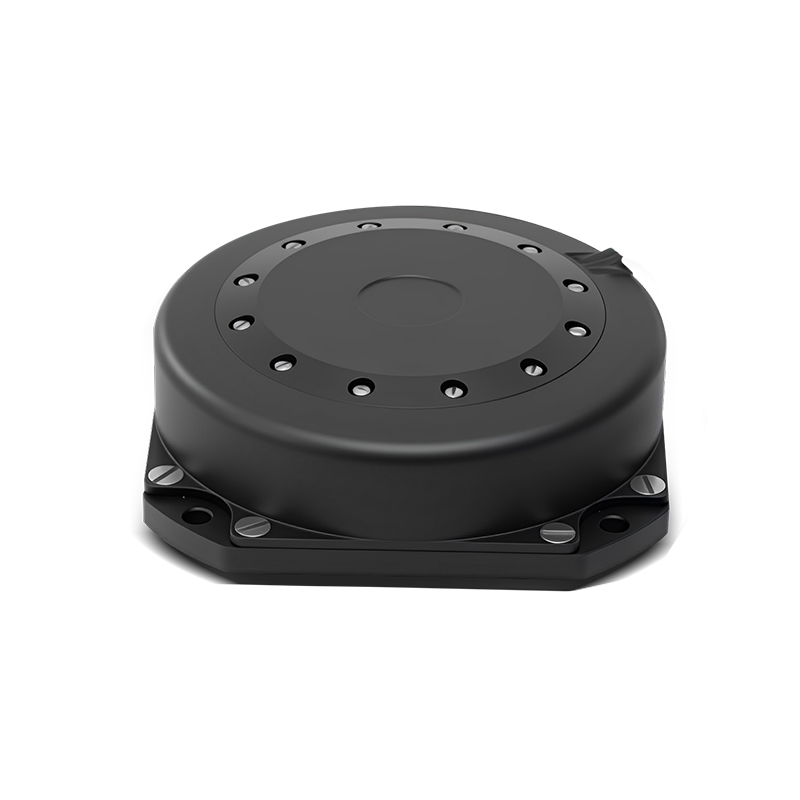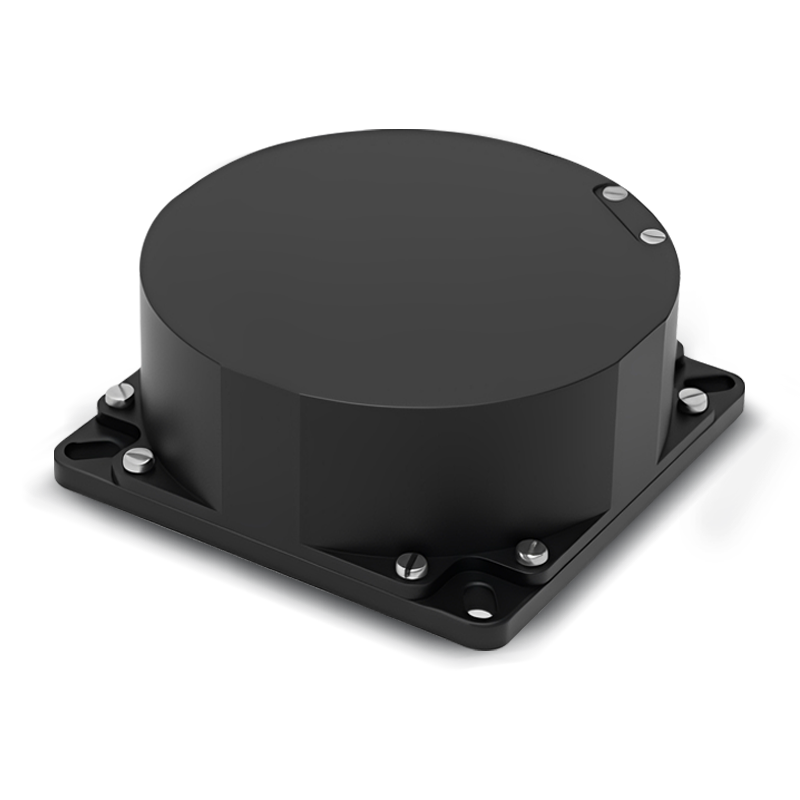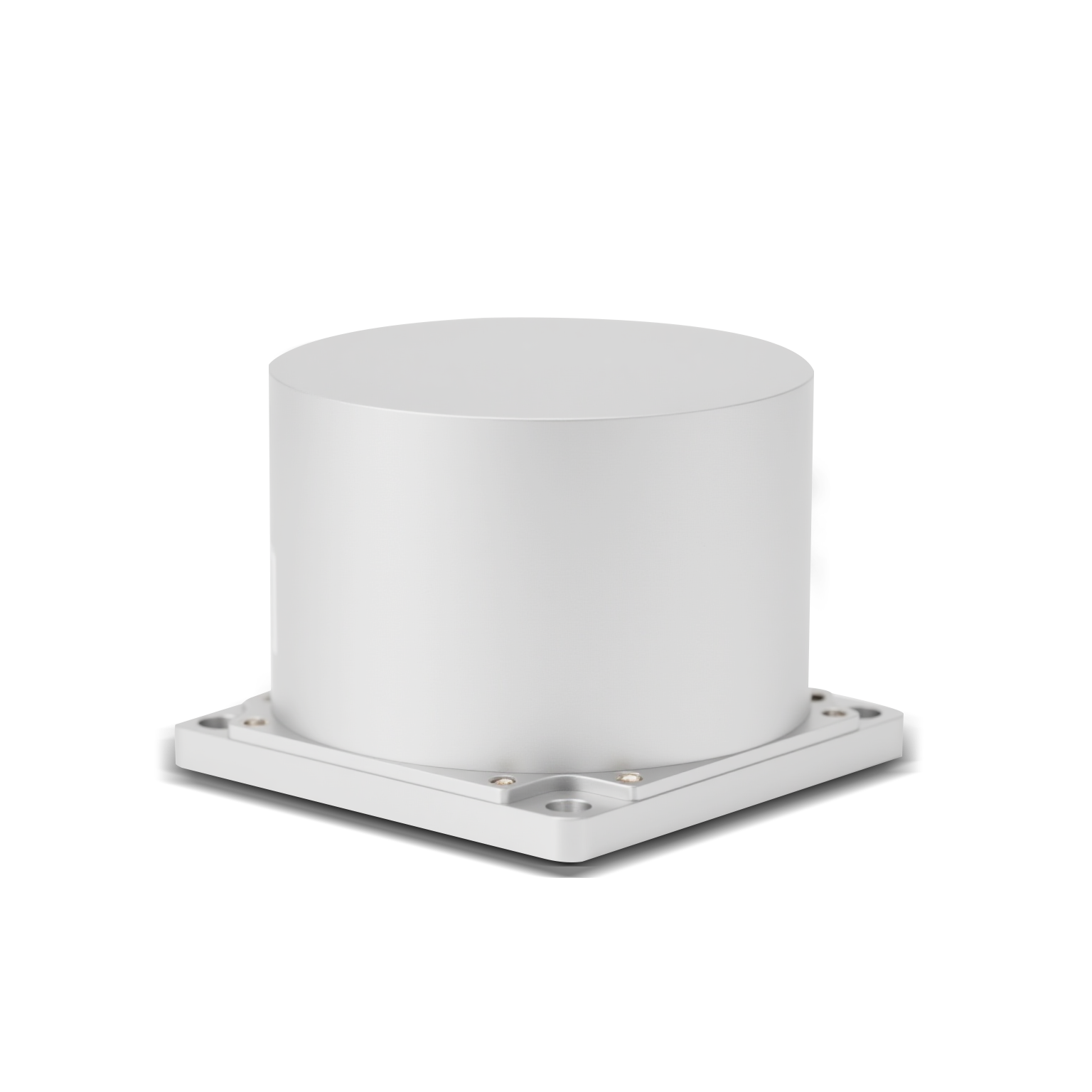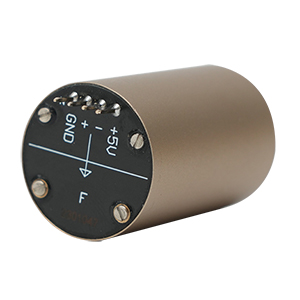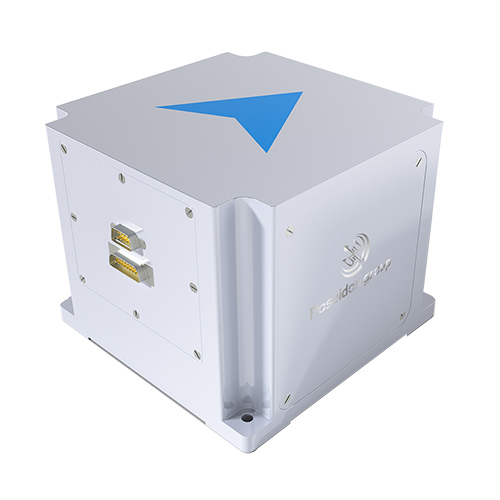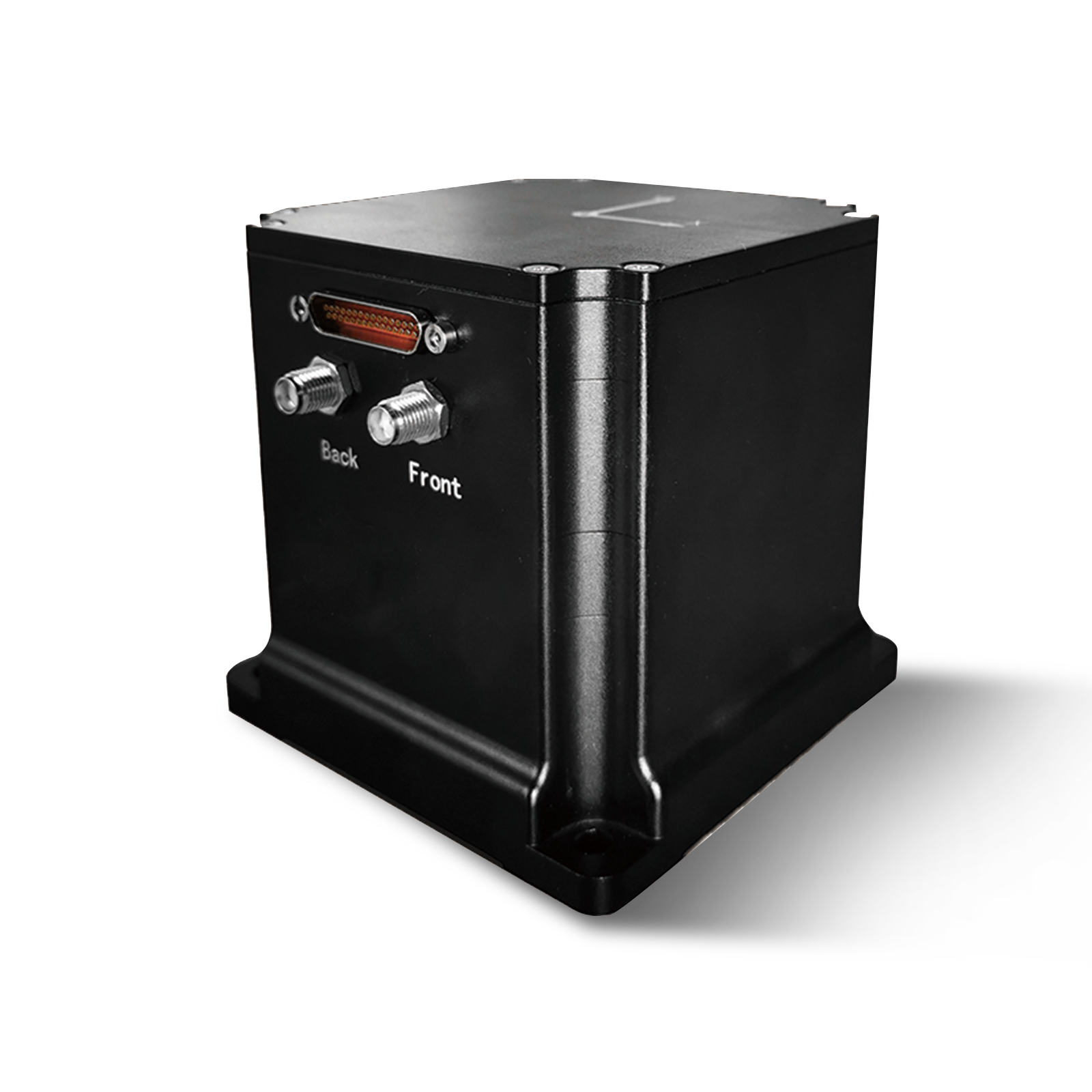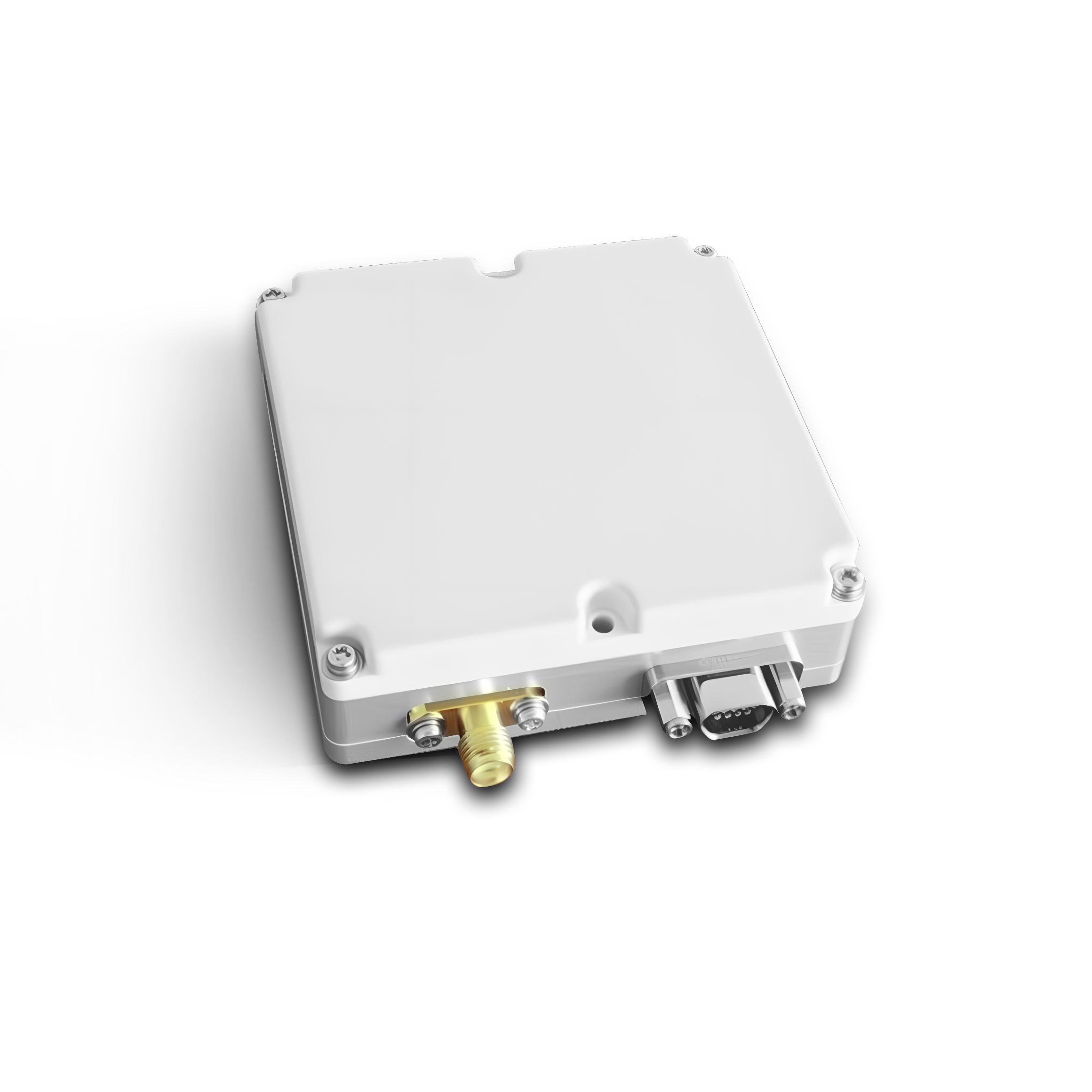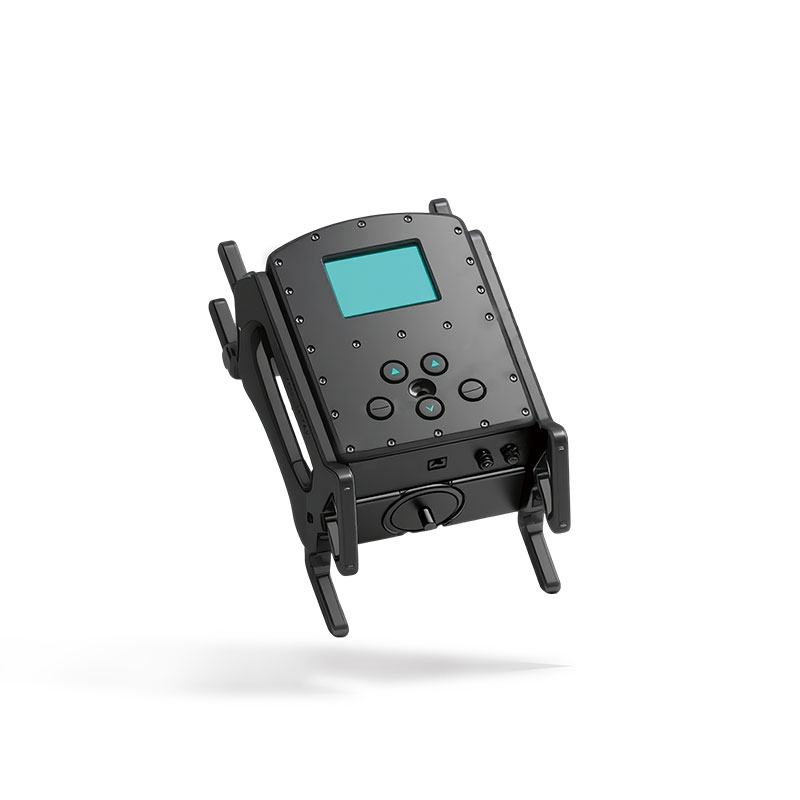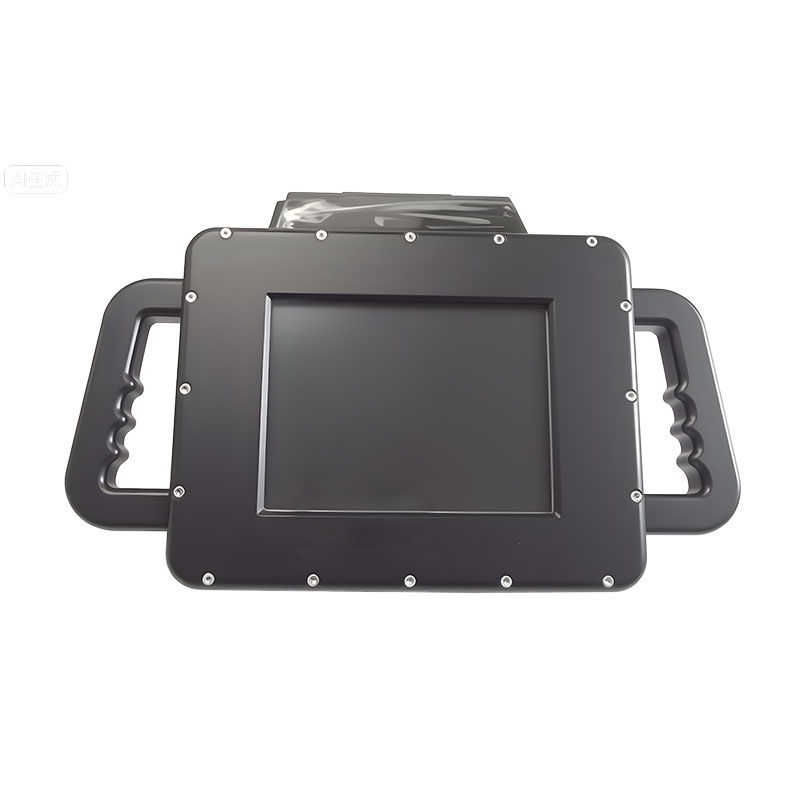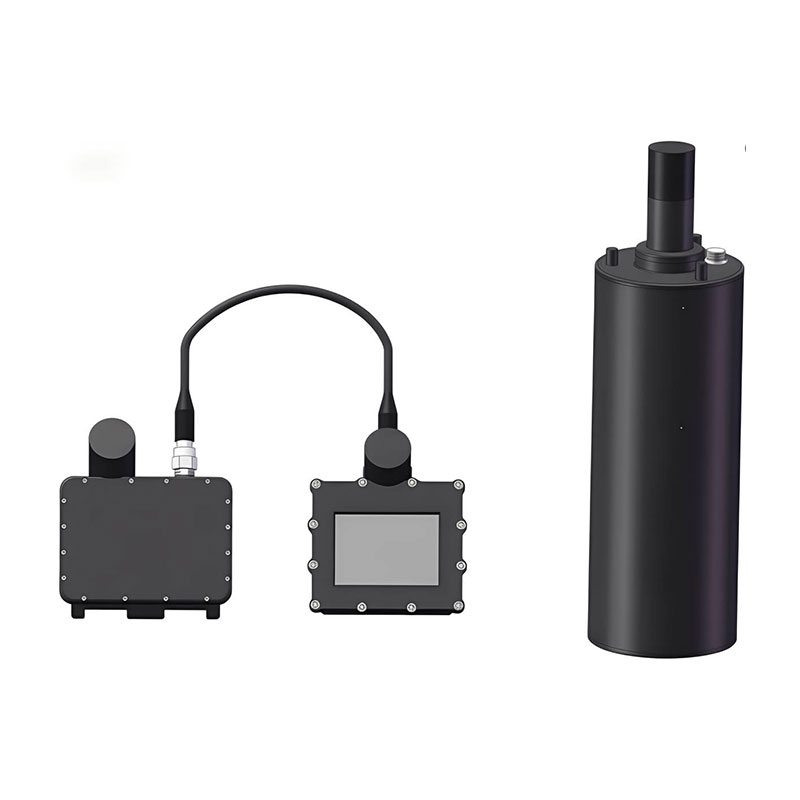
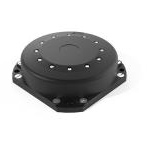
You know, the trade relationship between the U.S. and China has been pretty rocky lately with tariffs going up and tensions rising. Because of that, a lot of industries have been forced to rethink their strategies. But here's the interesting part—while things have been tough, the inertial system unit sector in China has really held its ground and even managed to grow. A report from MarketsandMarkets says the global inertial measurement unit market is set to hit a whopping $26.78 billion by 2025, which is a pretty impressive annual growth rate of 7.9%. Companies like Beijing Aerospace Automatic Control Institute (BAACI) have been smart about handling these challenges. They've been using advanced tech and manufacturing processes that are pretty cost-effective. Instead of just getting by, these businesses are really shining by coming up with innovative solutions and meeting the needs of both local and international markets. It's clear that China's inertial system unit industry has some serious strength, even with all the trade drama going on.

Hey there! So, with all the trade fuss between the US and China, tariffs have really shaken up the way global supply chains work. I mean, companies are scrambling to adapt to this constantly shifting landscape, often hunting for new sources or different methods just to keep costs in check. It’s pretty wild how tariffs can skyrocket production and shipping costs, which really hits hard on pricing strategies and competitiveness in the international game.
To get through these rough patches, businesses should definitely think about diversifying their supply chains. By sourcing materials from a bunch of different countries, they can lessen their reliance on one spot and dodge some of the tariff-related risks. Plus, checking out local manufacturing can be a game-changer—it might cut costs and also meet that growing demand from consumers who care about sustainability and quicker shipping.
Oh, and here's another important tip: keep your ear to the ground about trade policies and tariff updates. Regularly checking in on government announcements and industry news can really help you catch wind of any changes that could shake things up. If companies can tweak their strategies on the fly in response to these shifts, they’re not just surviving—they're actually thriving, using their flexibility as a key advantage. Isn’t that something?

Let's face it, dealing with tough trade conditions isn't exactly easy, but China’s Inertial System Unit has really shown some serious grit in the ongoing trade tussles with the US. Recent reports are buzzing with news that, despite all the external stress, the Chinese economy is still chugging along nicely. With a GDP growth of 5% in the first half of 2024, it’s clear that China is proving its mettle when it comes to economic stability. And here's the kicker: the total import and export value has soared to an impressive 43.85 trillion yuan! That really drives home just how important international trade is right now.
**Tip:** If businesses want to not just survive but actually thrive in these headwinds, they should think about diversifying their supply chains. You know, spreading the risk and not putting all their eggs in one basket. Also, pouring some resources into research and development can spark innovation, which is key for standing out in such a competitive playing field.
The adaptability of China’s Inertial System Unit really shines through in how they maintain their productivity and efficiency. By tapping into local strengths and teaming up with global partners, these units aren't just scraping by—they’re genuinely thriving, even with trade tensions hanging over them. The uptick in demand for advanced inertial systems across different industries is a clear sign that there’s a lot of room for growth ahead.
**Tip:** Companies should definitely aim to build strategic partnerships and alliances that benefit everyone involved while also cushioning themselves against any geopolitical hiccups. Embracing digitalization and automation can seriously boost their efficiency and trim down costs, too.
You know, in today’s fast-paced global market, Chinese manufacturers are really stepping up their game. They’re not just trying to get by; they’re actually embracing innovation and tech to thrive, especially with all the trade hurdles between the US and China. Take the 'China Manufacturing 2025' initiative, for instance—it’s given a huge boost to research and development for advanced manufacturing tech. According to a report from McKinsey & Company, China's manufacturing sector is set to explode to over $4 trillion by 2030. That’s a big deal, showing a strong move towards high-tech production methods like automation, robotics, and artificial intelligence.
One area that’s really catching attention is the inertial system units. Companies are pouring effort into making these systems more precise and reliable. Transparency Market Research even suggests the global inertial navigation system market might hit around $12.6 billion by 2027—pretty impressive, right? This is all driven by the growing need for more sophisticated navigation solutions. Chinese manufacturers are smartly teaming up with tech companies to whip up some cutting-edge products that meet international standards. This not only helps them deal with tariffs but also gives them an edge in the global marketplace. Their ability to adapt is really key for keeping up growth and staying resilient in such a competitive environment.
You know, with the way US-China trade tensions are heating up, it can really feel like a maze for businesses trying to figure out all those tariffs and regulations. But honestly, there's a silver lining in all this chaos—especially for those leading the charge in the inertial system field. Take a look at China’s top inertial system unit; they've been pretty brilliant at flipping challenges into opportunities, tweaking their game plan to keep up with changing market demands.
One solid piece of advice for companies? Think about localizing your supply chains. If you can source materials and do some manufacturing closer to home, you’re not just dodging tariff headaches; you’re also making your operations way more reliable. Plus, who doesn’t like saving a bit of cash while being quicker to react to market shifts?
And let’s not forget about technology and innovation. It’s super important for companies to throw some resources at research and development. By nurturing fresh, cutting-edge ideas, they can really make their products pop in a crowded marketplace. Also, staying on top of tech advances can help unlock new market segments that might just be waiting for the right players to step in, especially with all the changes happening in trade dynamics.
This bar chart illustrates the growth of China's Inertial System Unit exports over the past five years, highlighting the company's resilience and ability to adapt to US-China trade challenges.
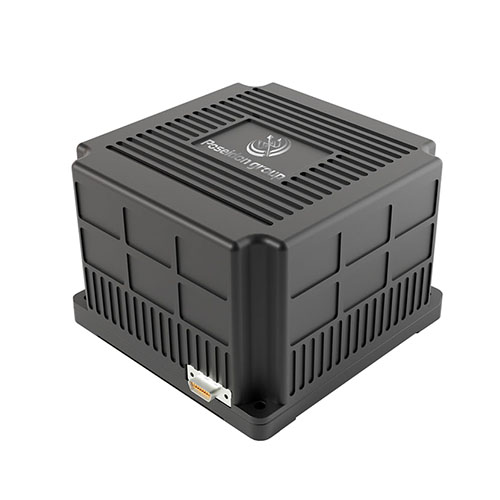
You know, with the US-China trade tensions heating up, it’s clear that government policies are super important for boosting our local industries. Take Poseidon International Group (Hong Kong) Limited, for instance. They’re all about fiber optic gyroscopes and inertial navigation systems. When the government steps in with some support, it really helps these companies get a leg up. We’re talking financial aid, grants, and a real focus on homegrown manufacturing and innovation. It’s like they’re setting the stage for businesses to handle those tricky tariffs and market hurdles much better.
And let’s not forget that with this push for self-reliance in crucial tech sectors, Poseidon is actually flourishing even when faced with international bumps in the road. Their dedication to independent research and development means they’ve snagged quite a few technical patents, which just solidifies their role as a big player in the inertial system market. As the industry shifts to keep pace with the changing global trade landscape, it’s clear that ongoing government backing is going to be key for fostering growth and sparking new ideas in our local businesses. It’s all about helping them stay strong in a world that’s moving fast, right?
| Aspect | Data |
|---|---|
| Industry Growth Rate (2022) | 8.5% |
| Government Subsidies (2023) | $200 million |
| Export Market Share | 25% |
| Key Competitors | USA, Japan, Europe |
| Major Export Destinations | USA, EU, Southeast Asia |
| R&D Investment (2023) | $50 million |
| Annual Revenue (2022) | $500 million |
You know, with all these tariffs shaking up global trade, it’s pretty impressive to see how China's manufacturing sector is adapting and bouncing back. It’s like they’ve really embraced advanced technologies! I’ve read that about 30% of manufacturing companies are stepping up their investment in research and development, all to stay competitive despite the tariff chaos. This shift doesn’t just help them deal with trade barriers; it also puts them right at the cutting edge of innovation. Just look at how the Ministry of Industry and Information Technology is aiming for a whopping 15% growth in new technology output by 2025—talk about ambition!
In this tricky environment, it’s clear that Chinese companies are also getting smart about how they manage their supply chains to lessen the impact of tariffs. Industry analysts say that over 40% of these firms are diversifying their supply chains, moving some operations over to Southeast Asia, and even checking out regional trade agreements to dodge the tariffs from the US. Plus, there’s a big push for automation and smart manufacturing coming up, which should ramp up efficiency and help cut costs. This way, Chinese manufacturers can keep their prices competitive on the global stage. It’s all about finding ways to not just survive but to really thrive in these challenging times. Isn’t it fascinating to see how they're navigating through this?
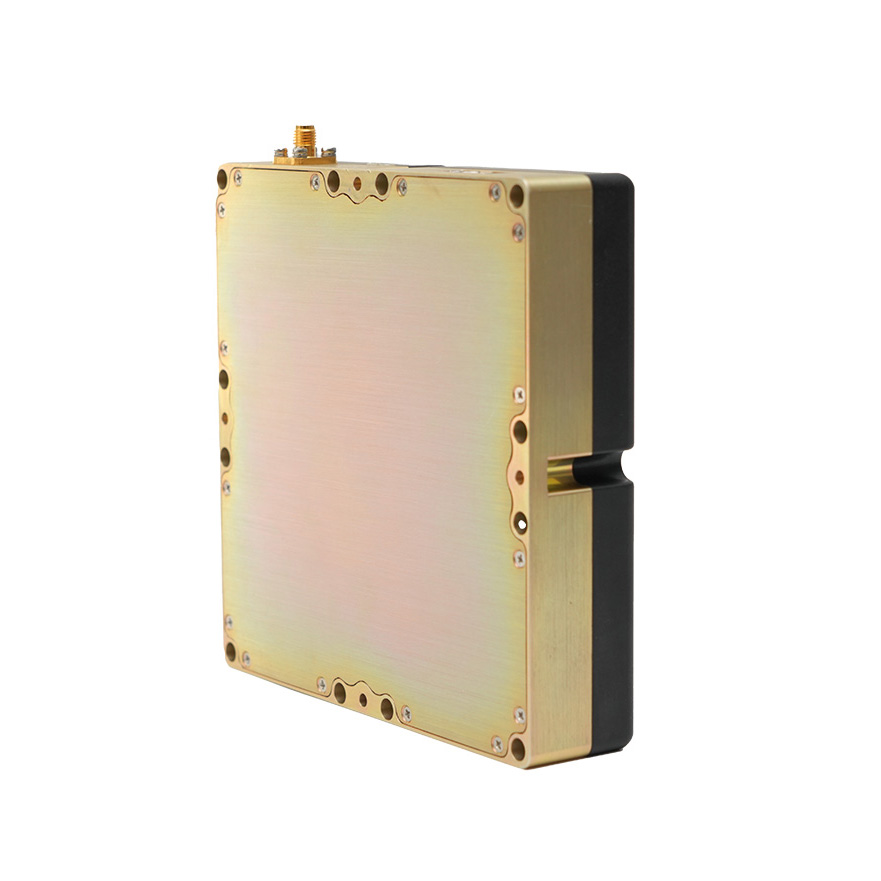
In the realm of microelectromechanical systems (MEMS), innovation continues to redefine possibilities, and the spotlight is now on the latest advancements, particularly the 160M innovation. This cutting-edge MEMS navigation technology is designed with exceptional precision, offering a heading accuracy of 0.1° and an attitude measurement also boasting an impressive accuracy of 0.1°. Such accuracy is crucial for applications ranging from robotics to aerospace, where even the minutest deviation can lead to significant operational discrepancies.
Moreover, one of the standout features of the 160M innovation is its compact and lightweight design. This makes it an ideal choice for a variety of applications where space and weight are critical factors. The small size doesn't compromise functionality; rather, it enhances the versatility of MEMS navigation products, allowing them to be integrated seamlessly into tight spaces without sacrificing performance. As industries increasingly demand smaller yet more efficient components, the 160M innovation is poised to meet these needs while pushing the boundaries of what MEMS technology can achieve.
: The "China Manufacturing 2025" initiative is crucial as it drives a surge in the research and development of advanced manufacturing technologies, aiming to enhance China's manufacturing sector, which is projected to be worth over $4 trillion by 2030.
Chinese manufacturers are leveraging innovation and technology adaptations, collaborating with technology firms, and focusing on high-tech production methods such as automation, robotics, and AI to mitigate the impacts of tariffs and secure a competitive edge.
The global inertial navigation system market is expected to reach $12.6 billion by 2027, driven by increasing demand for sophisticated navigation solutions, with Chinese manufacturers enhancing precision and reliability in this sector.
A key strategy for businesses is to localize their supply chains by sourcing materials and manufacturing closer to home, which helps reduce costs and enhances responsiveness to market changes.
Investing in research and development allows companies to create innovative solutions that stand out in a competitive market, affording them opportunities to tap into new market segments influenced by shifting trade dynamics.
Reports indicate that around 30% of manufacturing companies in China have increased their investment in R&D to remain competitive amid tariff fluctuations.
Over 40% of firms are diversifying their supply chains by relocating some operations to Southeast Asia and exploring regional trade agreements to navigate and bypass tariffs imposed by the US.
Future trends include a significant push towards automation and smart manufacturing, with expectations for increased efficiency and reduced costs, thereby helping Chinese manufacturers maintain price competitiveness internationally.
The Ministry of Industry and Information Technology has set a target growth of over 15% in the output of new technologies by 2025.
Embracing technology and innovation allows companies to enhance their product offerings and capitalize on new market opportunities, turning challenges into decisive advantages in a competitive landscape.